Hydration & Dehydration in Kids
What Florida Parents Should Watch For

Why Children Dehydrate Faster Than Adults
Children have smaller bodies, lose fluids through sweat, and may not recognize early thirst cues. They also depend on adults to offer water, schedule breaks, and notice symptoms. Infants and toddlers are especially vulnerable because they cannot always communicate how they feel.
Common Summer Dehydration TriggersOutdoor sports or camps
Long beach or pool days
Fever
Vomiting or diarrhea
Travel days with disrupted routines
Not drinking enough before outdoor activity
High humidity and limited shade
Signs of Mild to Moderate Dehydration
Dry lips or dry mouth
Headache
Fatigue
Dizziness
Dark yellow urine
Fewer bathroom trips or wet diapers
Irritability
Muscle cramps
More Concerning SignsParents should seek medical guidance if a child is extremely sleepy, confused, unable to keep fluids down, has very limited urination, has sunken eyes, has rapid breathing, or appears significantly weak. Younger children can worsen quickly, especially during illness.
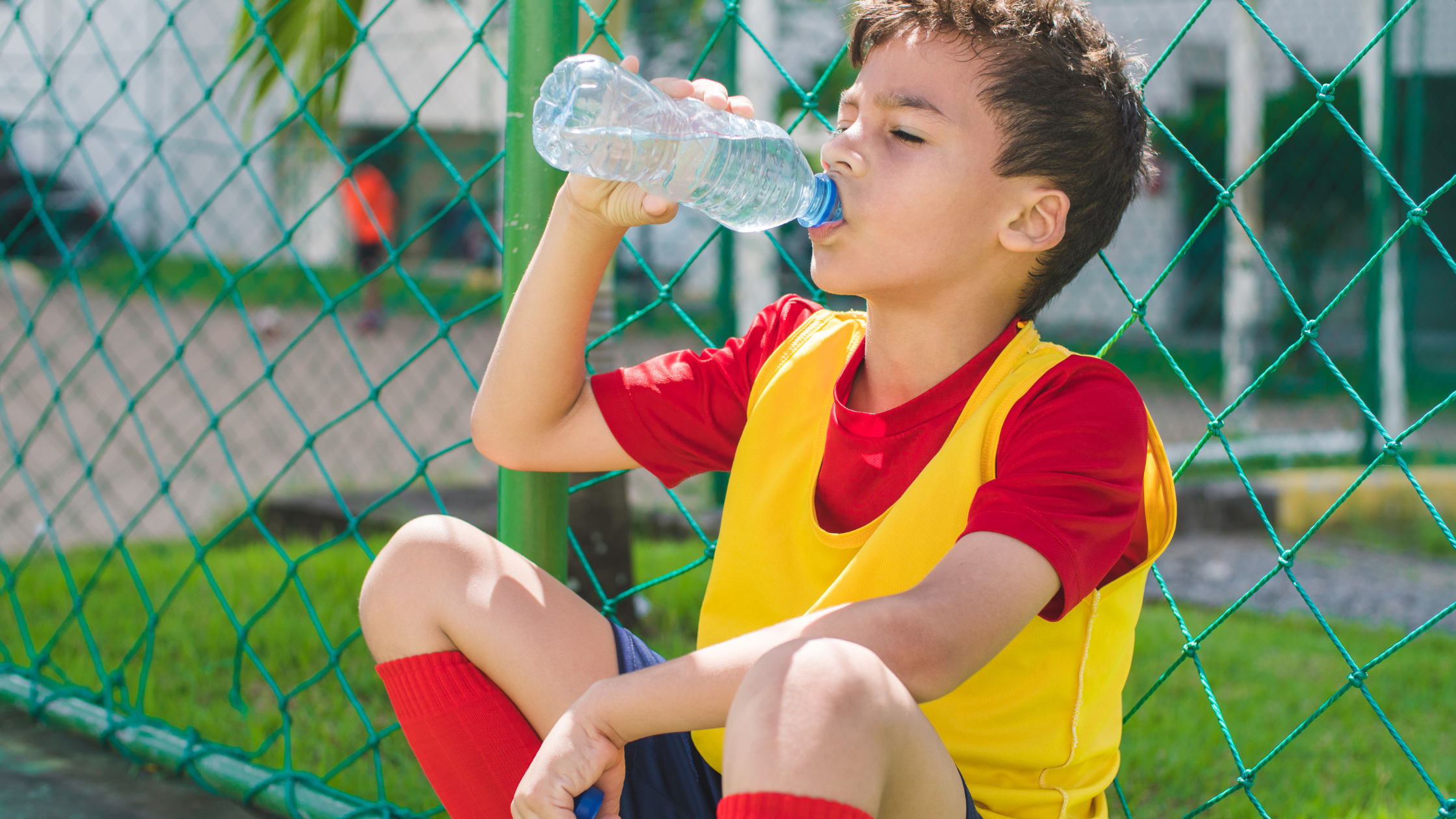
How to Help Kids Stay HydratedOffer water before children say they are thirsty.
Bring reusable water bottles everywhere.
Schedule water breaks during sports and outdoor play.
Offer water-rich foods like watermelon, oranges, cucumbers, and strawberries.
Use electrolyte drinks or oral rehydration solutions when appropriate for heavy sweating, vomiting, or diarrhea.
Build hydration into routines before camps, practices, and beach trips.
Hydration During Sports and CampsChildren in sports may need fluids before, during, and after activity. Coaches and parents should encourage breaks, monitor for heat symptoms, and avoid pushing through dizziness, headache, or cramps.
Final TakeawayHydration is simple, but it requires consistency. Parents can prevent many summer health concerns by offering fluids regularly, recognizing early dehydration signs, and creating routines around water breaks and cooling periods.