Sunscreen for Babies, UPF Clothing & Florida Sun Safety: A Parent’s Guide
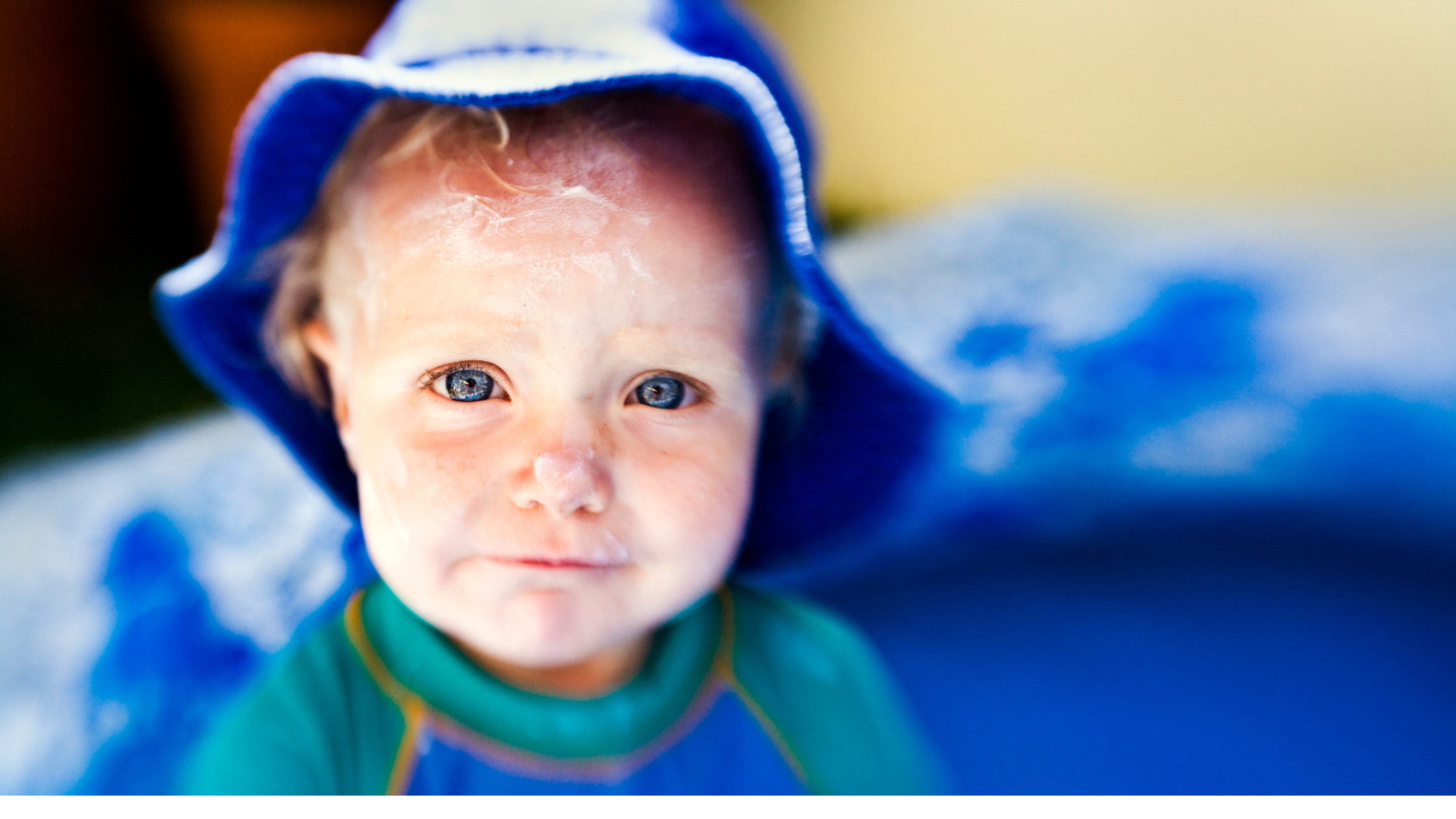
Why Sun Protection MattersSunburn is more than temporary redness. UV exposure can damage the skin, increase discomfort, contribute to dehydration, and raise long-term skin health risks. Children can burn even on cloudy days because UV rays pass through clouds and reflect off water, sand, and pavement.
Sunscreen Basics for ChildrenFor children old enough to use sunscreen, parents should choose a broad-spectrum sunscreen with SPF 30 or higher. Water-resistant formulas are helpful for swimming and sweating, but no sunscreen is fully waterproof.
Apply sunscreen 15 to 30 minutes before going outside.
Use enough sunscreen to cover all exposed skin.
Reapply every 2 hours.
Reapply after swimming, sweating, or towel drying.
Do not forget ears, tops of feet, back of neck, shoulders, and hairline.
Special Sun Safety for BabiesBabies younger than 6 months should be kept out of direct sunlight whenever possible. Shade, lightweight protective clothing, brimmed hats, and stroller covers with airflow are important. Parents should avoid placing a baby in a covered stroller without ventilation because heat can build up quickly.
What Is UPF Clothing?UPF stands for Ultraviolet Protection Factor. UPF clothing is designed to block UV rays and can provide consistent protection without needing reapplication like sunscreen. Rash guards, swim shirts, sun hats, and lightweight long sleeves are especially useful for beach days, water parks, and long outdoor events.
Shade and Timing MatterSunscreen is not the only protection strategy. Families can lower sun exposure by planning outdoor activities earlier in the morning or later in the afternoon.
Seek shade between 10 AM and 4 PM when the sun is strongest.
Use umbrellas, tents, canopies, or shaded picnic areas.
Bring cooling towels and water bottles.
Take indoor breaks during long outdoor days.
Signs of Too Much Sun or Heat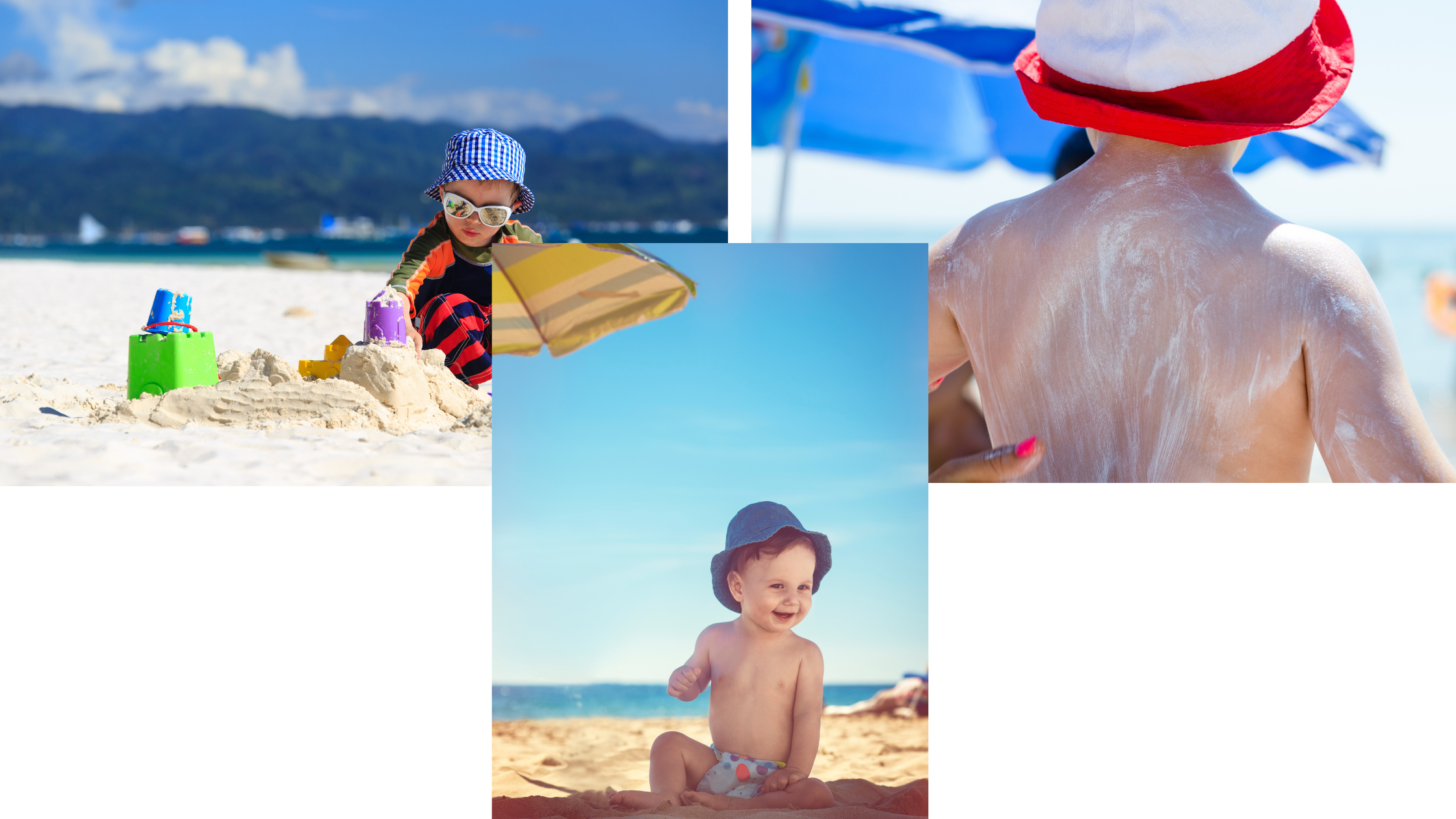
Parents should watch for headache, dizziness, fatigue, nausea, flushed skin, excessive sweating, irritability, or unusual sleepiness. These can be signs that a child needs shade, fluids, rest, and cooling immediately.
Final TakeawaySun safety works best when parents layer protection: sunscreen, UPF clothing, shade, hydration, and smart timing. With a strong routine, children can safely enjoy Florida’s summer sunshine.