Tick Prevention for Families
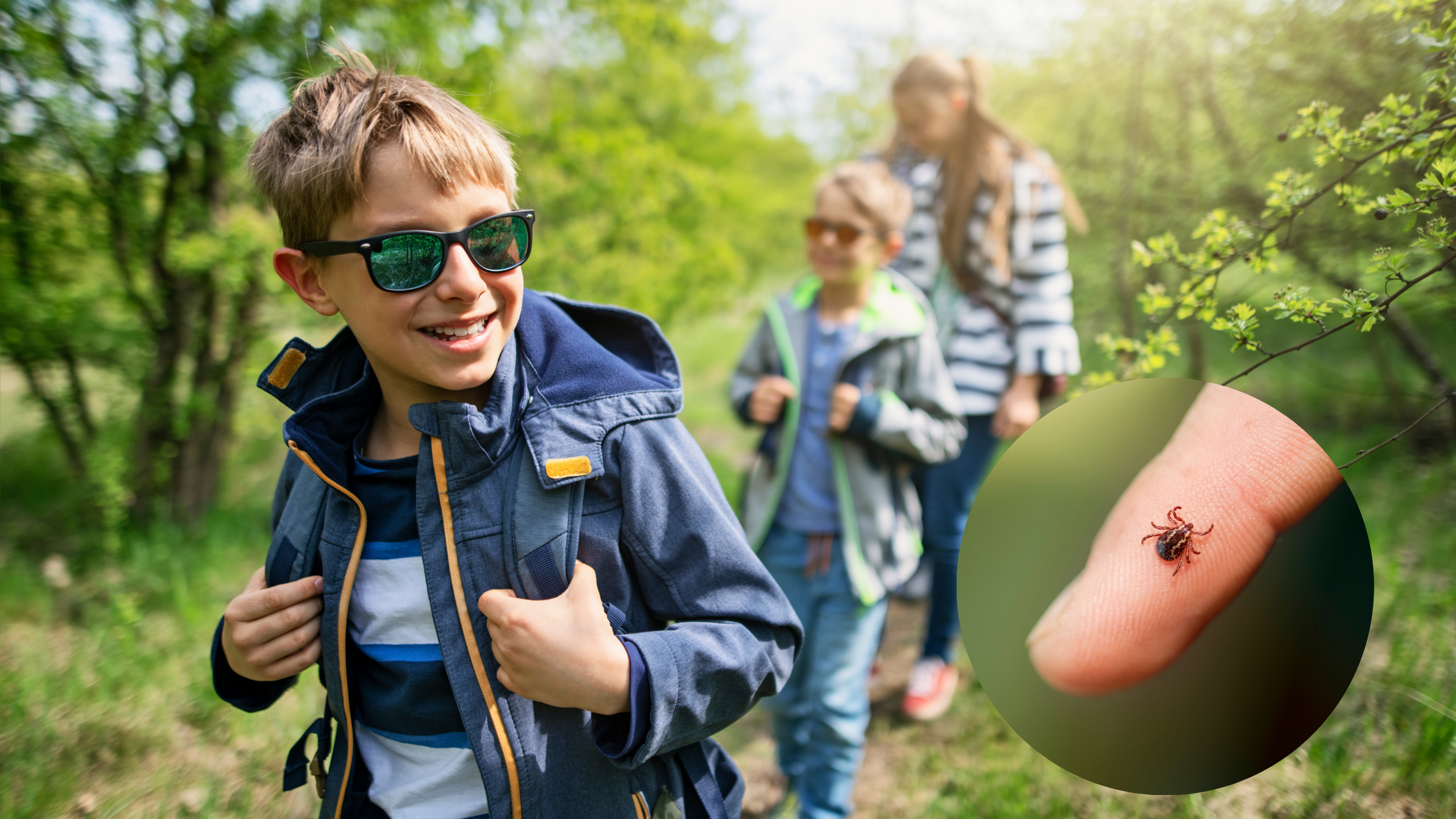
Tick Prevention for Families: Lyme Disease, Alpha-Gal Syndrome & Safe Outdoor Habits
Why Tick Prevention MattersTicks are small parasites that attach to the skin and feed on blood. Many tick bites are harmless, but some ticks can transmit illnesses. Two concerns families may hear about more often are Lyme disease and Alpha-Gal Syndrome. Lyme disease is more common in certain parts of the United States, especially the Northeast and upper Midwest, but families who travel for summer activities should still understand the symptoms. Alpha-Gal Syndrome has been associated with Lone Star tick bites and can cause an allergy to red meat or other mammal-derived products. Because children may not notice a tick bite right away, prevention and post-outdoor tick checks are very important.
Areas Where Lyme Disease and Alpha-Gal Can Be Bigger ConcernsLyme disease risk is highest in parts of the Northeast, mid-Atlantic, and upper Midwest, but families who travel for camps, vacations, or hiking should be aware of regional tick risks. Alpha-Gal Syndrome is often discussed in connection with the Lone Star tick, which is common in the southeastern, south-central, and eastern United States. For Florida families, this means tick education is still relevant, especially when spending time in wooded, grassy, or rural areas.
How to Avoid Ticks While Hiking, Camping, or Playing Outdoors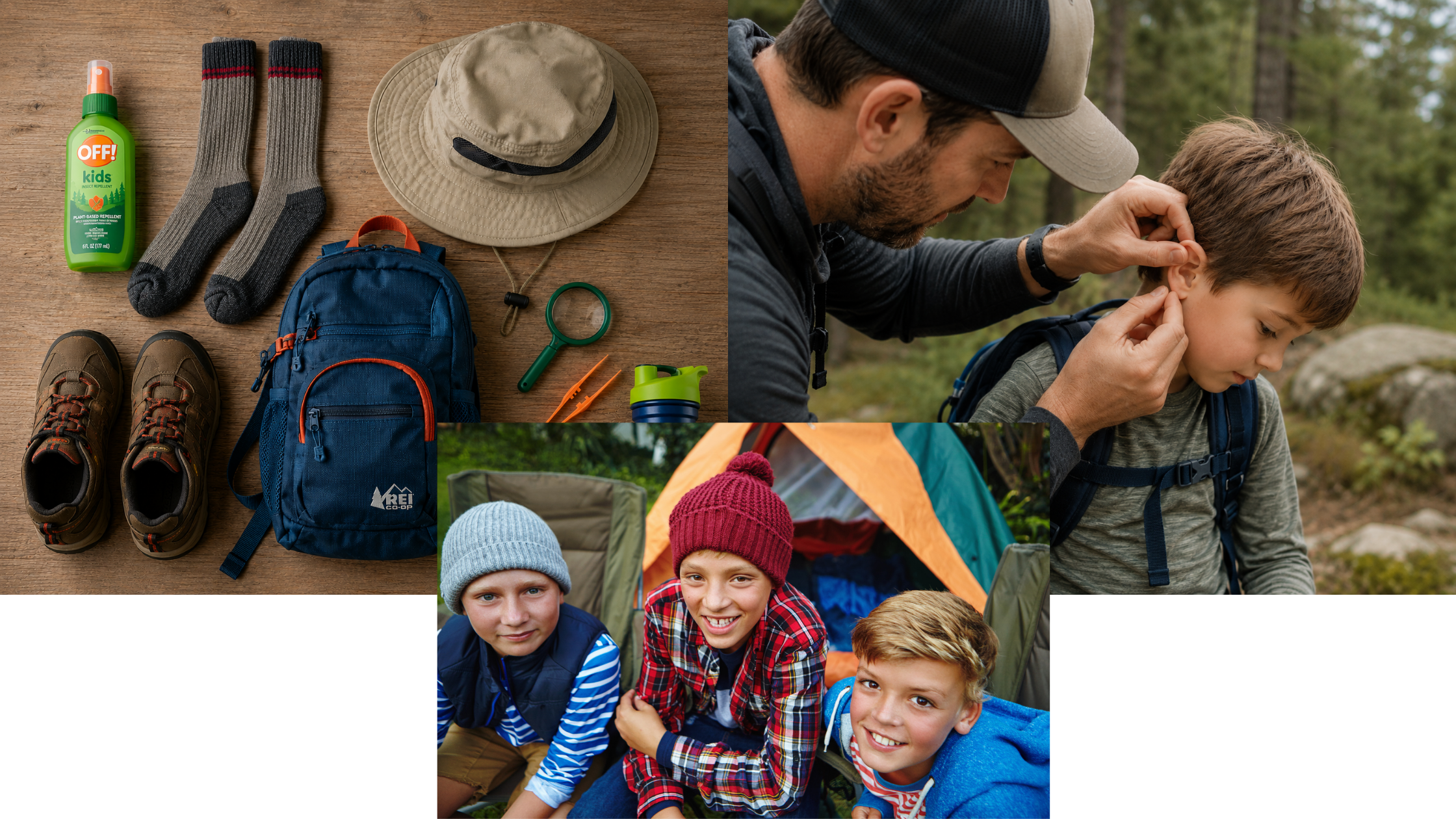
The best prevention starts before children go outside. Parents can lower exposure by preparing clothing, choosing safer paths, and teaching children how to avoid tick-heavy areas.
Stay on cleared trails and avoid walking through tall grass or dense brush.
Dress children in light-colored clothing so ticks are easier to spot.
Use long sleeves and pants when hiking or camping in high-risk areas.
Tuck pants into socks for wooded hikes or camping trips.
Keep backpacks, blankets, and gear away from tall grass when resting outdoors.
Shower after outdoor activities and place worn clothing in the wash or dryer when appropriate.
Check pets too, since ticks can come indoors on dogs or outdoor animals.
Natural Repellents vs. DEET: What Parents Should KnowMany parents prefer natural insect repellents, especially for younger children. Ingredients such as oil of lemon eucalyptus, citronella, cedarwood, peppermint, or other botanical oils may help reduce mosquito exposure, but effectiveness and duration can vary. Natural products often need more frequent reapplication and may not provide the same level of protection in high-tick areas.
DEET-containing repellents are among the most studied insect repellents and can be effective against mosquitoes and ticks when used correctly. Parents should always follow label instructions, avoid applying repellent to children’s hands, eyes, or mouth, and wash treated skin after returning indoors. Repellent should be used as one part of a prevention plan, not the only strategy.
How to Do a Proper Tick CheckTick checks should become part of the routine after hiking, camping, park visits, outdoor sports, or playing in grassy areas. Ticks can be tiny and may hide in warm, protected areas of the body.
Scalp and hairline
Behind the ears
Underarms
Around the waistband
Belly button
Groin area
Behind the knees
Between fingers and toes
What to Do If You Find a TickIf you find a tick attached to your child, stay calm and remove it properly. Avoid folk remedies such as burning the tick, covering it with petroleum jelly, or painting it with nail polish.
Use clean, fine-tipped tweezers.
Grasp the tick as close to the skin as possible.
Pull upward with steady, even pressure.
Do not twist, crush, or squeeze the tick’s body.
Clean the bite area and your hands with soap and water afterward.
Consider taking a clear photo of the tick or saving it in a sealed container if identification is needed.
When to Call a Pediatric ProviderParents should call a pediatric provider if their child develops fever, rash, fatigue, joint pain, headache, flu-like symptoms, or signs of skin infection after a tick bite. If there is uncertainty about how long the tick was attached or whether the tick was fully removed, it is reasonable to ask for guidance.
Final TakeawayChildren should be able to enjoy the outdoors safely. With the right clothing, smart repellent use, careful tick checks, and proper tick removal, families can greatly reduce the risk of tick-related illness during summer adventures.